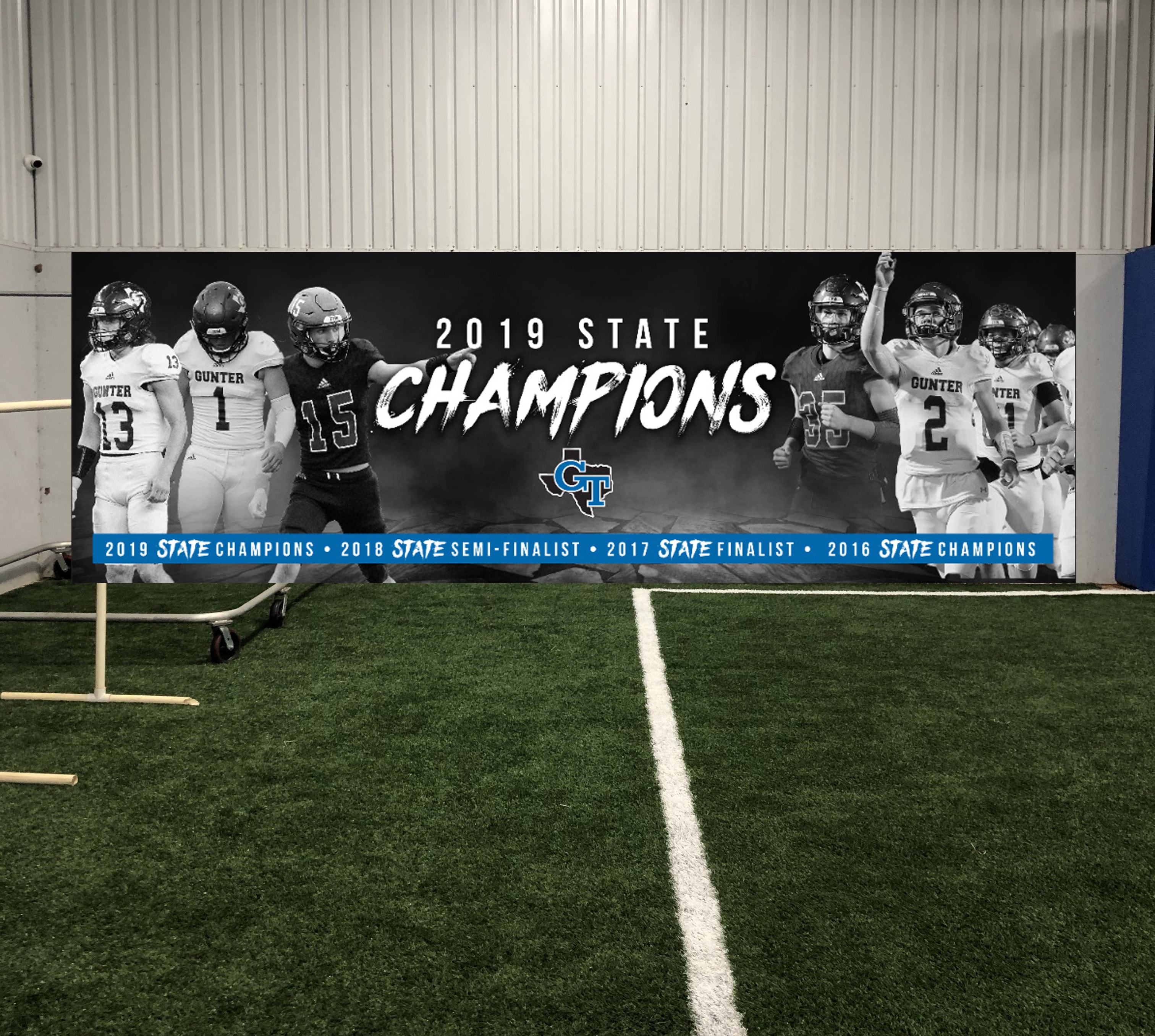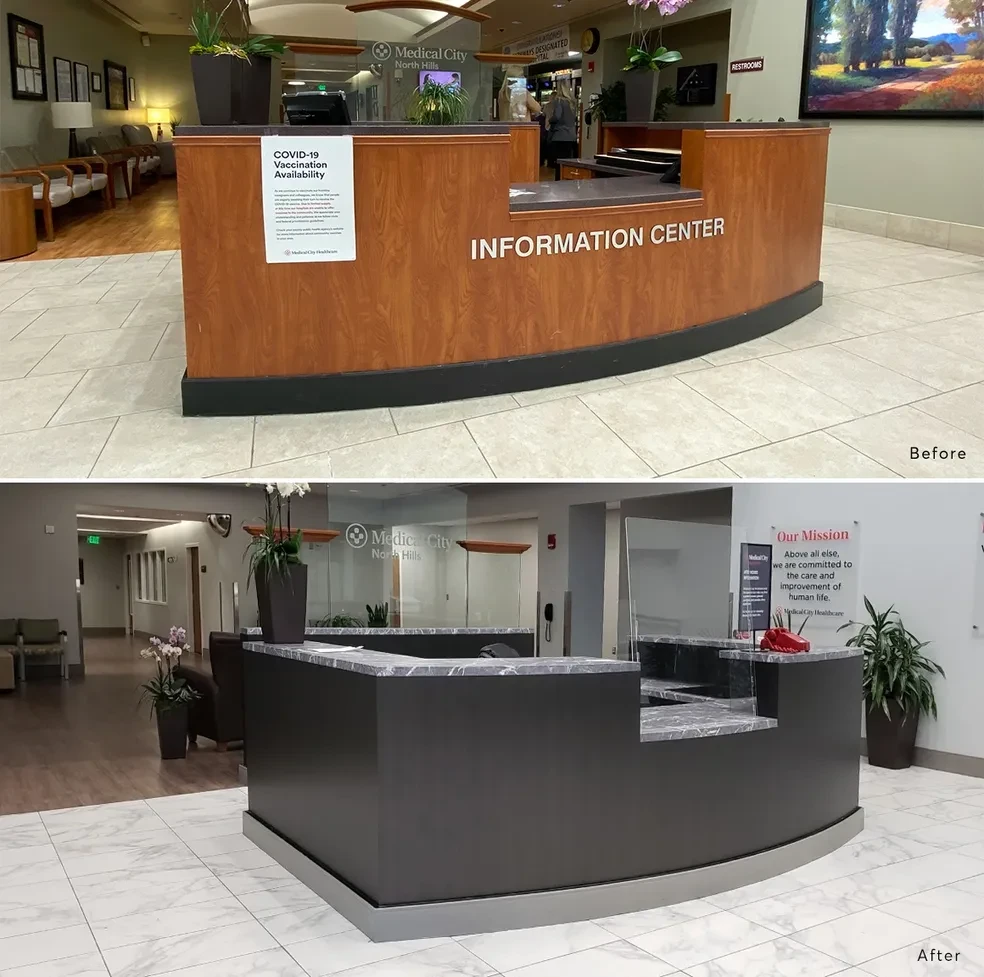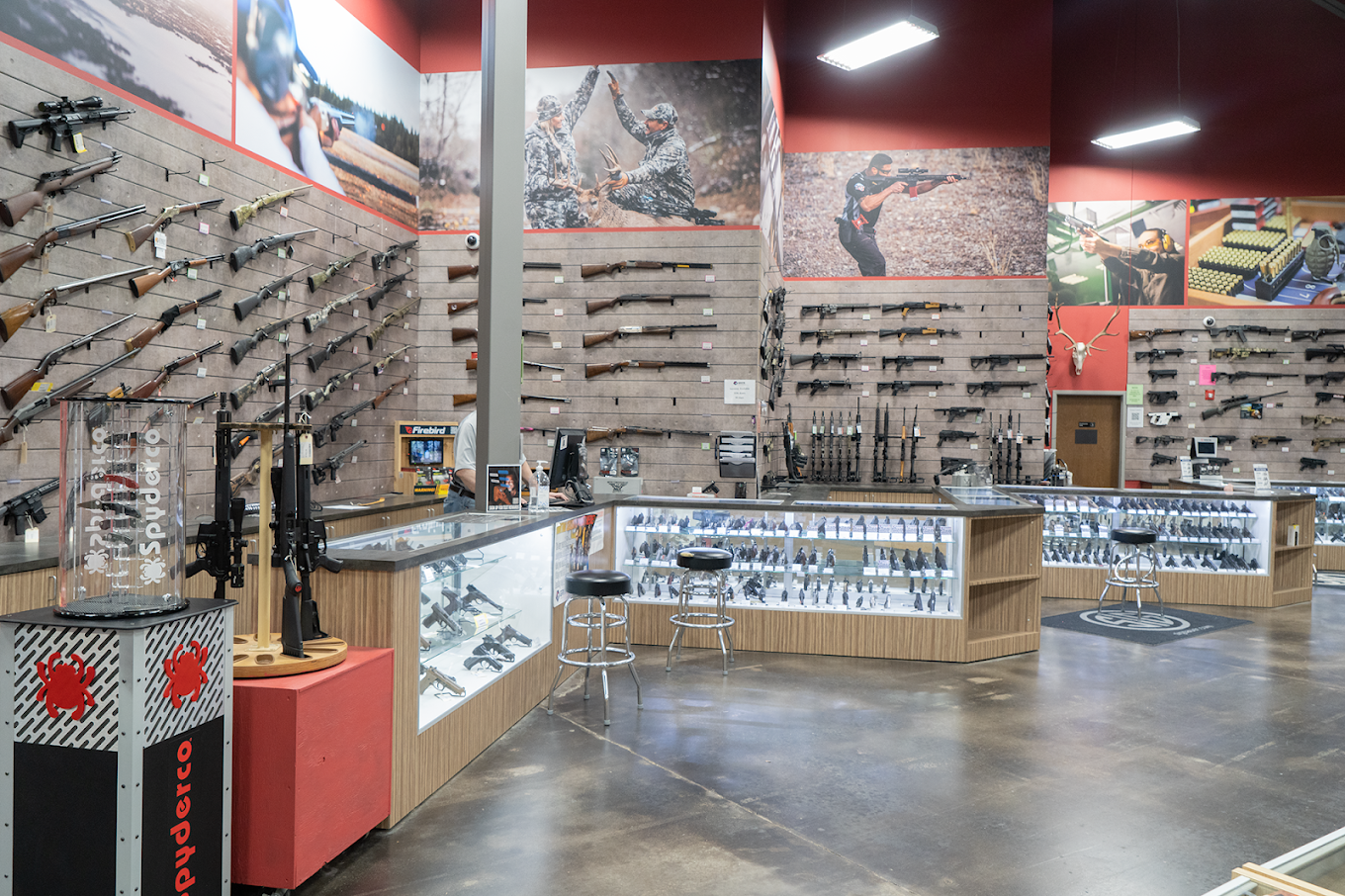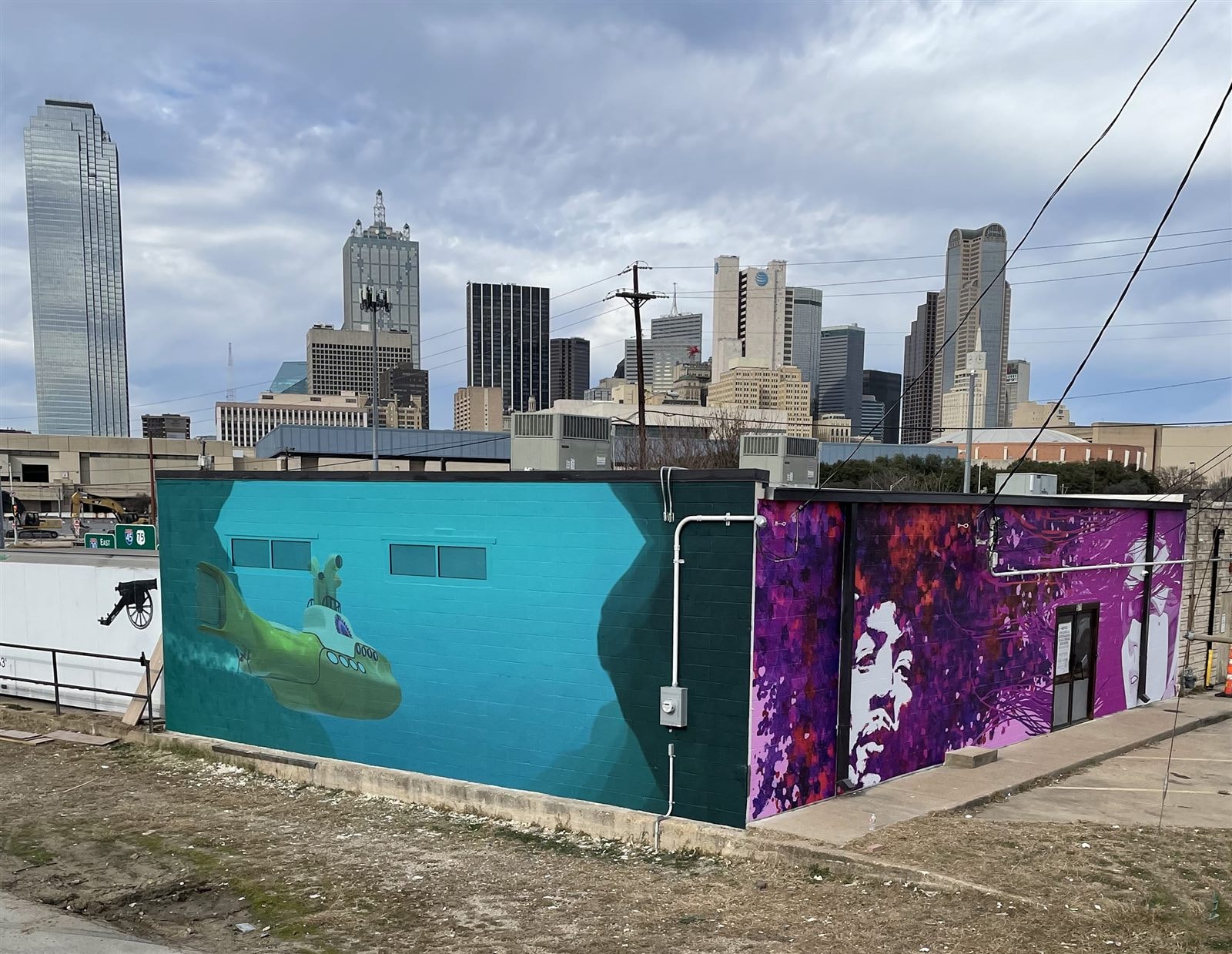
Exterior building wraps are among the most complex installations we do, and among the most impactful. A well-executed exterior wrap transforms a building's visual identity from the street, communicates brand at scale, and can dramatically increase the visibility of a commercial property. Here's how to plan one successfully.
Step 1: Assess the Surface
Not all exterior surfaces are suitable for graphics. The ideal surface is smooth, clean, and structurally sound. Rough masonry, heavily textured stucco, and surfaces with active moisture issues require special preparation or may not be suitable for direct application. We conduct a surface assessment on every exterior project before specifying materials.
- Smooth painted concrete or CMU: excellent substrate
- EIFS (Exterior Insulation and Finish System): good substrate with proper prep
- Smooth metal panels: excellent substrate
- Rough masonry or brick: requires surface preparation or alternative mounting
- Surfaces with active moisture or efflorescence: must be addressed before application
Step 2: Permits and HOA/Property Approvals
Most municipalities require a sign permit for exterior building graphics above a certain size. In North Texas, permit requirements vary by city. Dallas, Plano, Frisco, and McKinney all have different thresholds and approval processes. We handle permit applications as part of our project management process.
Step 3: Material Specification
Exterior graphics require materials rated for outdoor exposure. In North Texas, the primary environmental factors are UV intensity, heat (surfaces can reach 160°F in direct sun), and thermal cycling. We specify Avery Dennison MPI 2000 series for most exterior applications, a cast vinyl rated for 5–7 years on vertical surfaces in North Texas conditions.
Step 4: Design for Scale
Exterior graphics are viewed from distances of 50–500 feet. Design principles that work for interior graphics don't always translate to exterior scale. We recommend: minimum 6-inch letter height for readability at 100 feet, high contrast between graphic and building surface, and simple, bold imagery that reads at a distance.
Step 5: Installation Planning
Exterior installation requires different equipment than interior work, including lifts, scaffolding, or rope access depending on the building height and configuration. We plan installation sequences to minimize disruption to building occupants and coordinate with property management on access, parking, and scheduling.
Step 6: Maintenance Planning
Exterior graphics require periodic inspection and maintenance. We recommend annual inspections to check for edge lifts, UV degradation, and surface contamination. Most issues caught early can be repaired without full replacement.
We provide a written maintenance schedule and warranty documentation for every exterior installation. Ask about our annual inspection program.
Plan Your Exterior Building Wrap
We manage the entire process, including surface assessment, permits, design, production, and installation. Get a free consultation for your exterior project.
Get a Free Consultation